Vahid Nazarpour
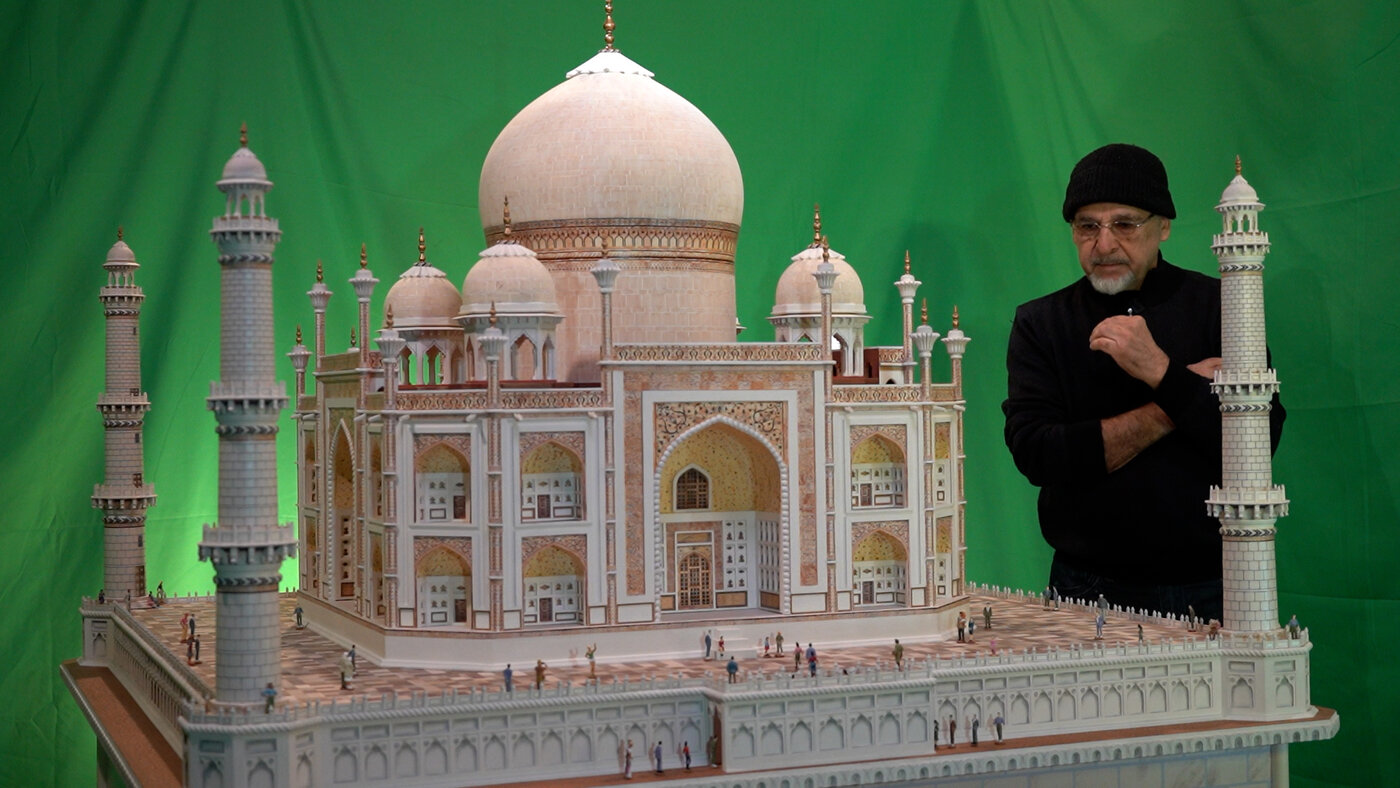
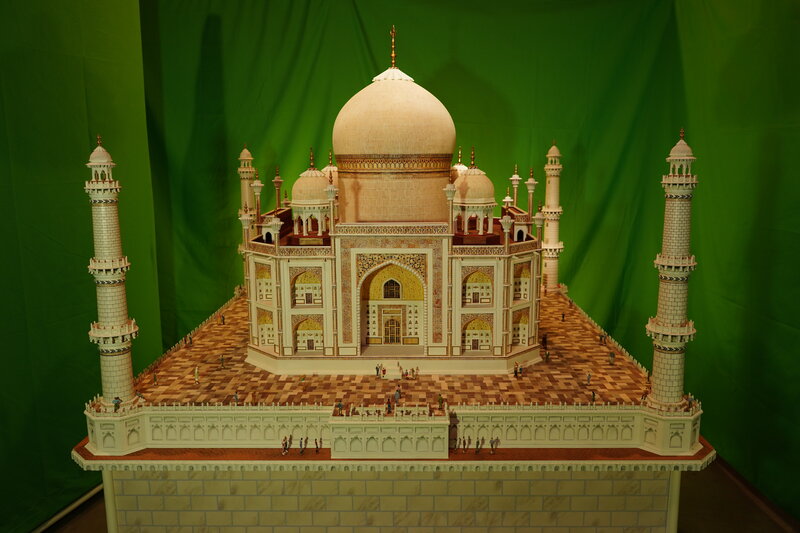
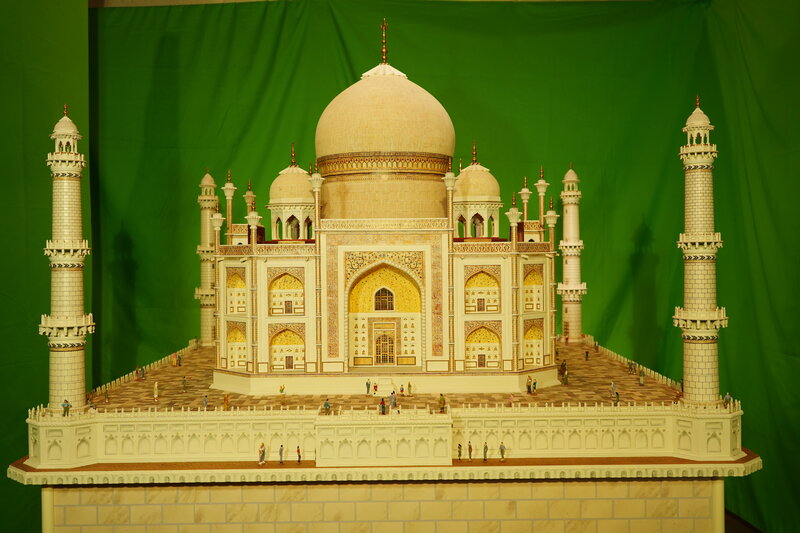
Since childhood, Vahid has been drawn to arts and crafts. When he first saw photographs of the Taj Mahal — the ivory-white mausoleum built in 17th-century India by Emperor Shah Jahan as a monument to his beloved wife Mumtaz Mahal — he was captivated.
"The quality of workmanship and craft fascinated me," he recalls. "I knew I had to bring it to life in wood."
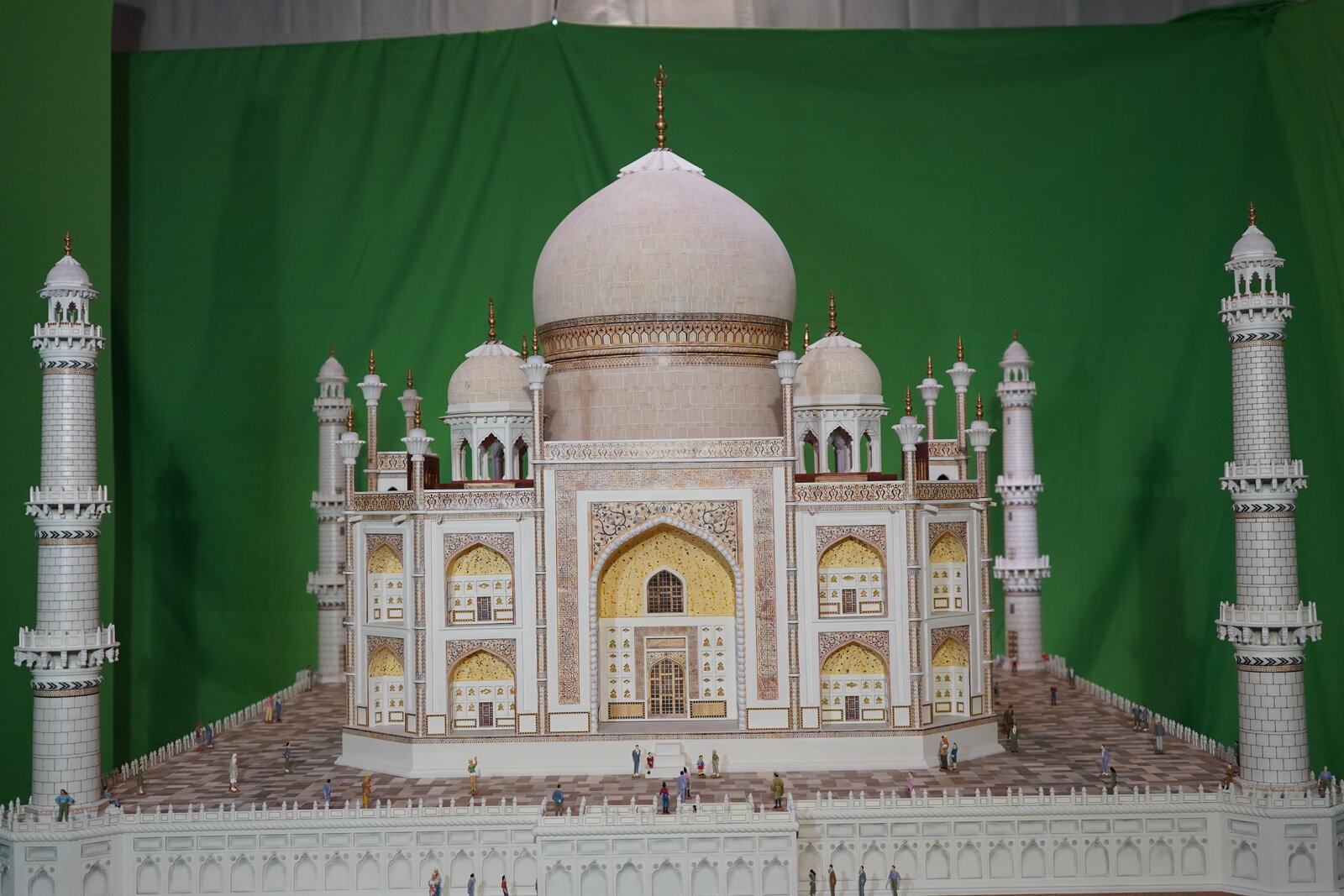
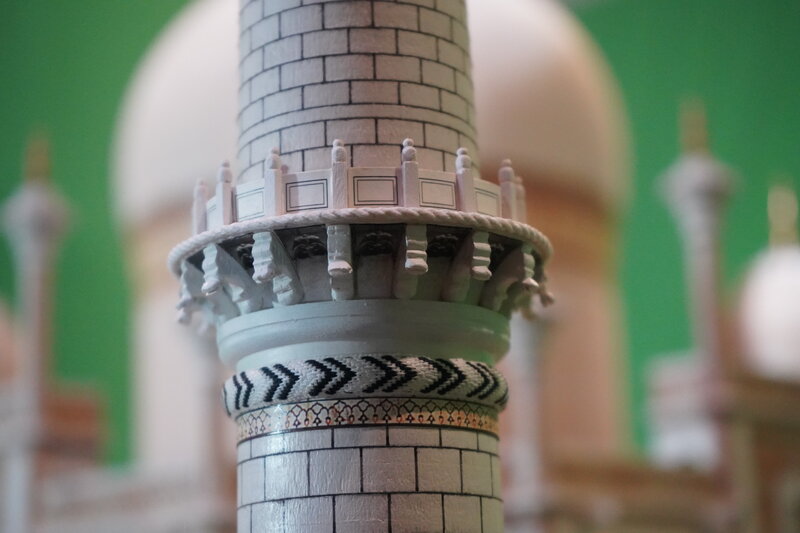
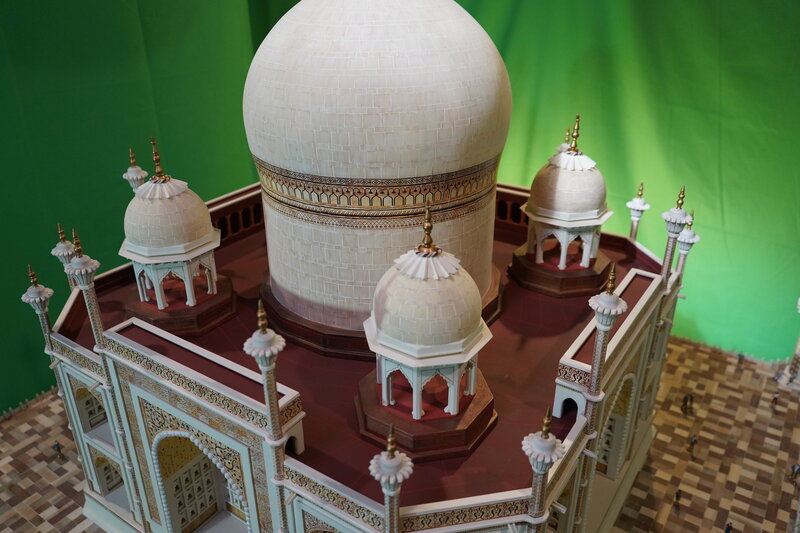
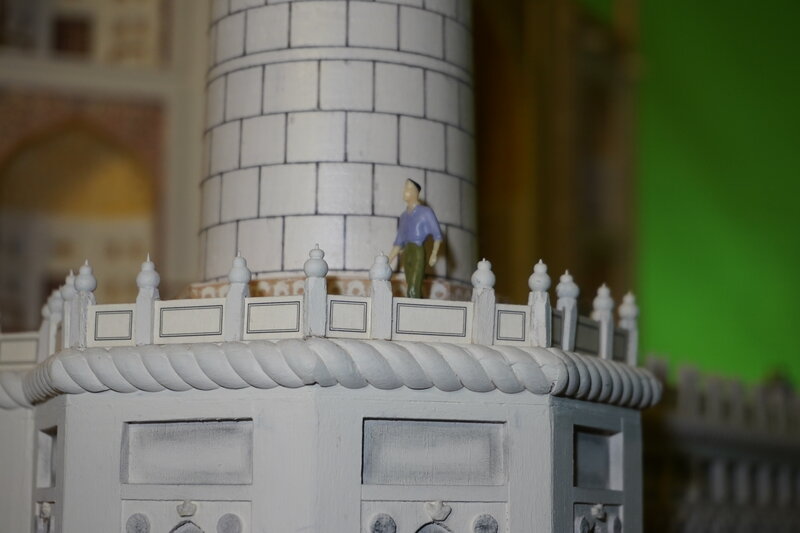
After retiring in 2015, he began with nothing but a simple hand-drawn sketch — no blueprints, no computer, no outside help. He built a makeshift lathe from a drill press to turn the delicate finials. He used a fret saw with a blade barely wider than a hair to cut each arch individually. He shaped each dome over a plaster form, then covered it with hundreds of individually cut wood tiles.
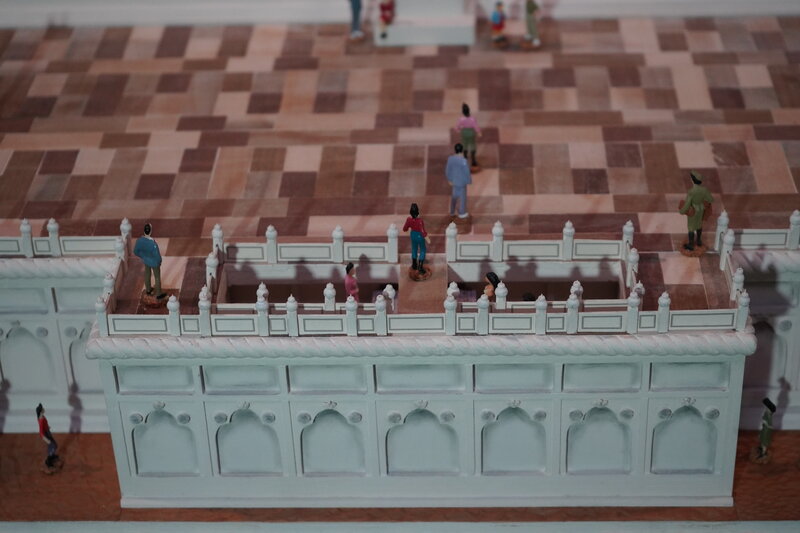
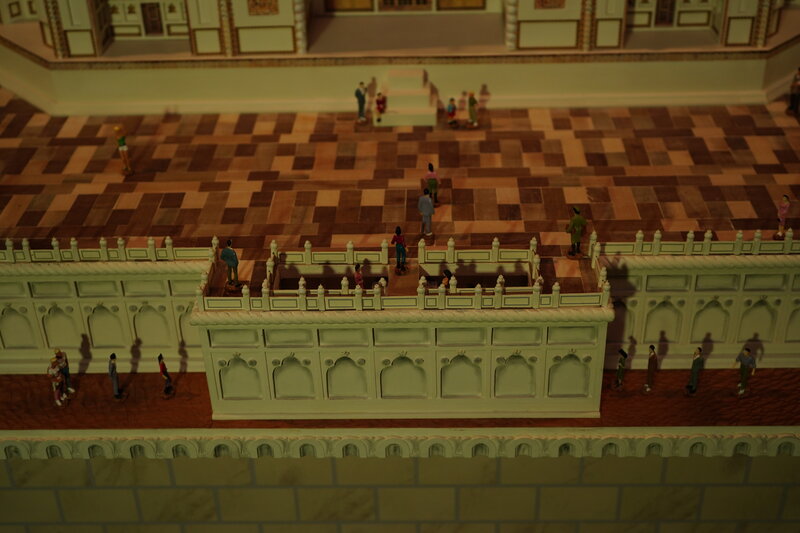
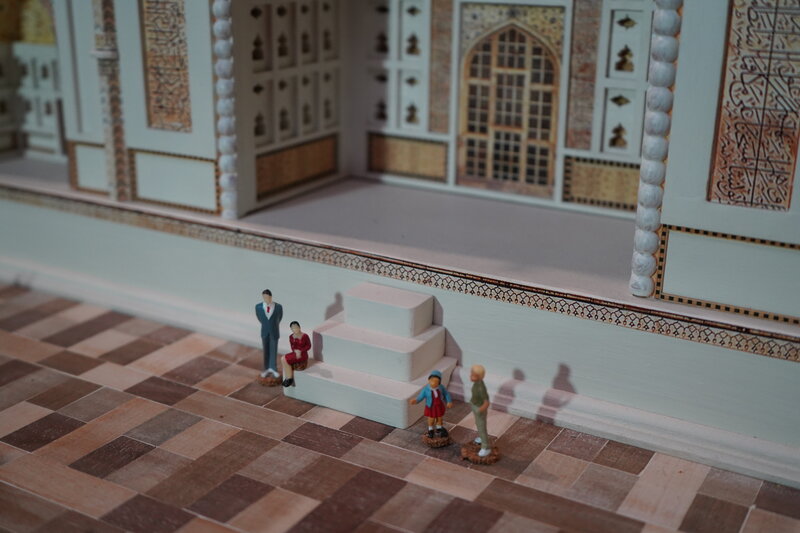
The courtyard floor alone required cutting over 2,700 pieces from four different types of wood, each just 3/16 of an inch thick.
"Imagination has more strength and power than any education alone by itself."